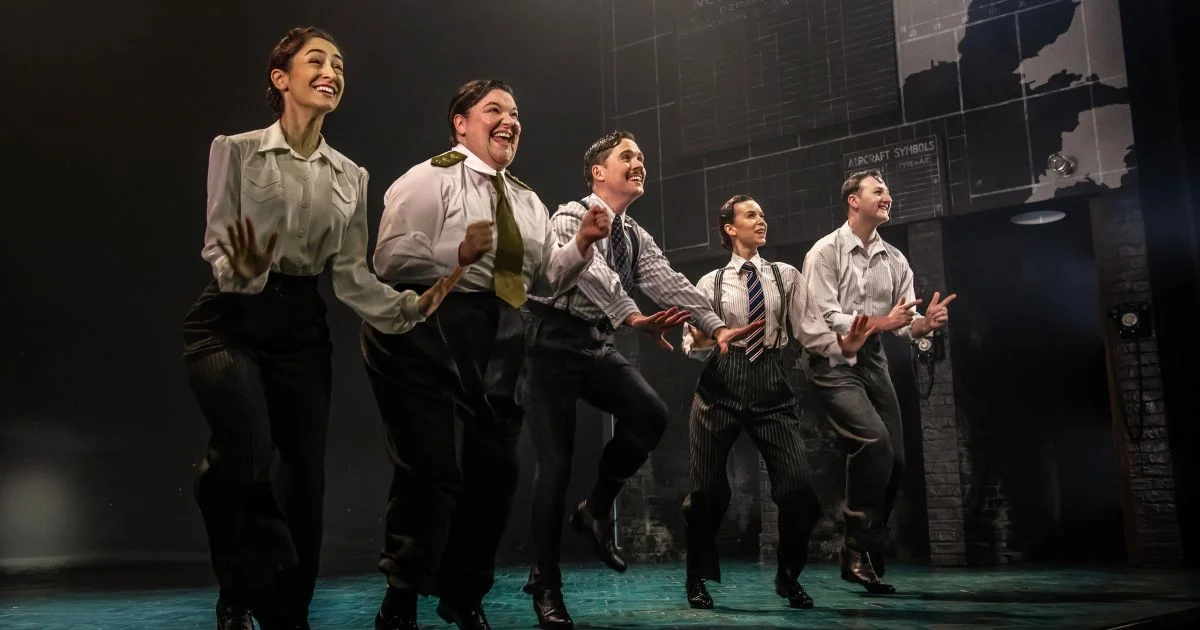
Last week, I dusted off my National Trust membership card and made my way to Hughenden Manor to check out their brand-new exhibition, Ink, Pens & Paintbrushes: Writing History at Hughenden. As always, Hughenden’s blend of history, charm, and intrigue never fails to impress — and this exhibition is no exception.
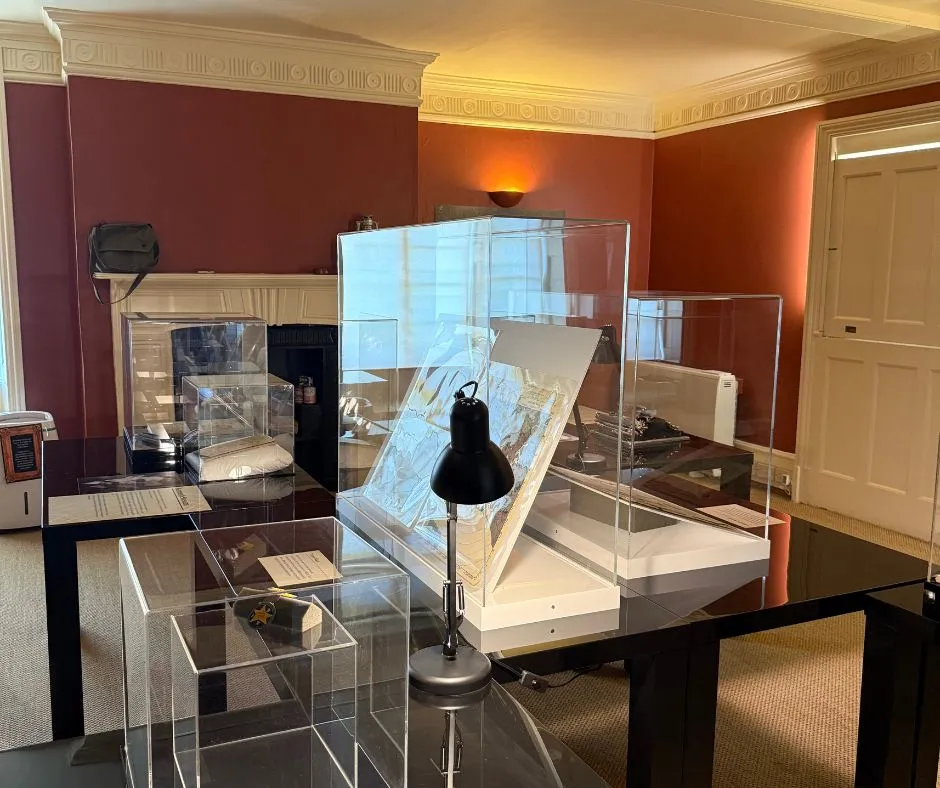
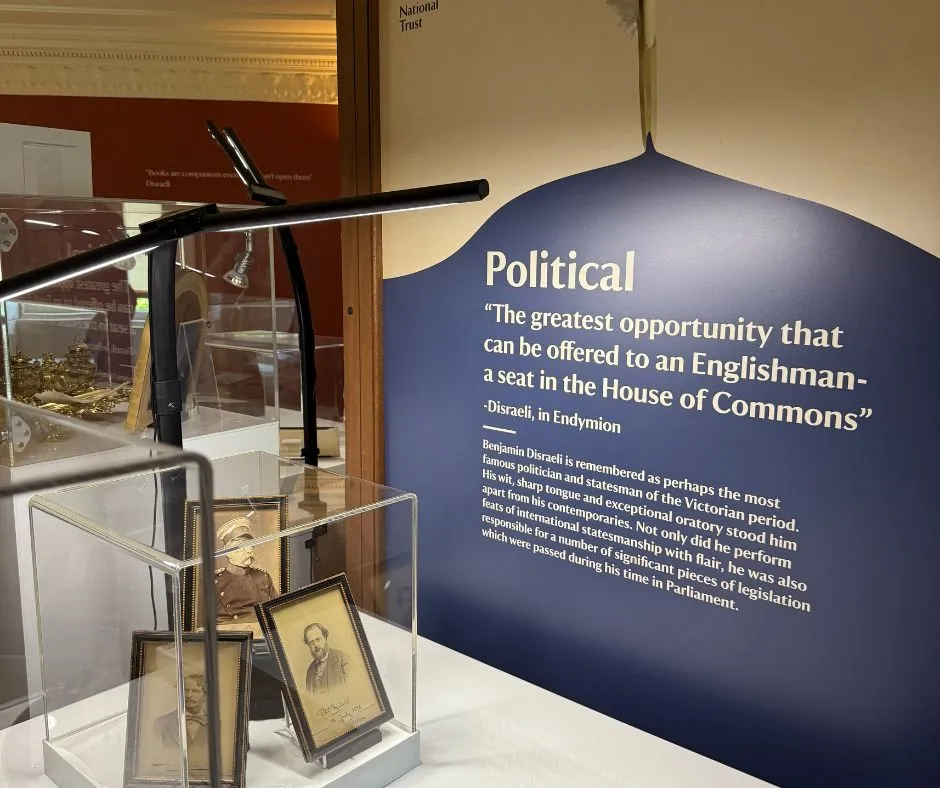
It’s housed on the second floor of the manor, spread across two distinct rooms. The first room is devoted to Hughenden’s most famous resident, Benjamin Disraeli, and his remarkable body of work. The second room transports visitors to a more recent chapter of the manor’s history, shining a light on the men and women who worked here during World War II as part of the secretive Operation Hillside.
Now, I have to admit, I’ve always had a soft spot for letters. Back at university, I took a module on Ancient Epistolography (the study of letters), and it was one of the most fascinating courses I ever took. There’s something about the personal nature of letters that really brings history to life. They’re windows into the past, revealing not just the private lives of their authors but also the social, political, and cultural contexts they lived in. Nothing tells the story of history better than the people who were right there living it. No textbook or dry account can offer the same level of personal insight.
In the first room, dedicated to Disraeli, it’s easy to get lost in the wealth of material we have about this man. The walls are lined with some of his novels, political writings, and various personal papers. But it’s not just about words — there are fascinating objects to explore too. Among the treasures on display are Disraeli’s parliamentary despatch box and a standing desk that was famously used by Winston Churchill.
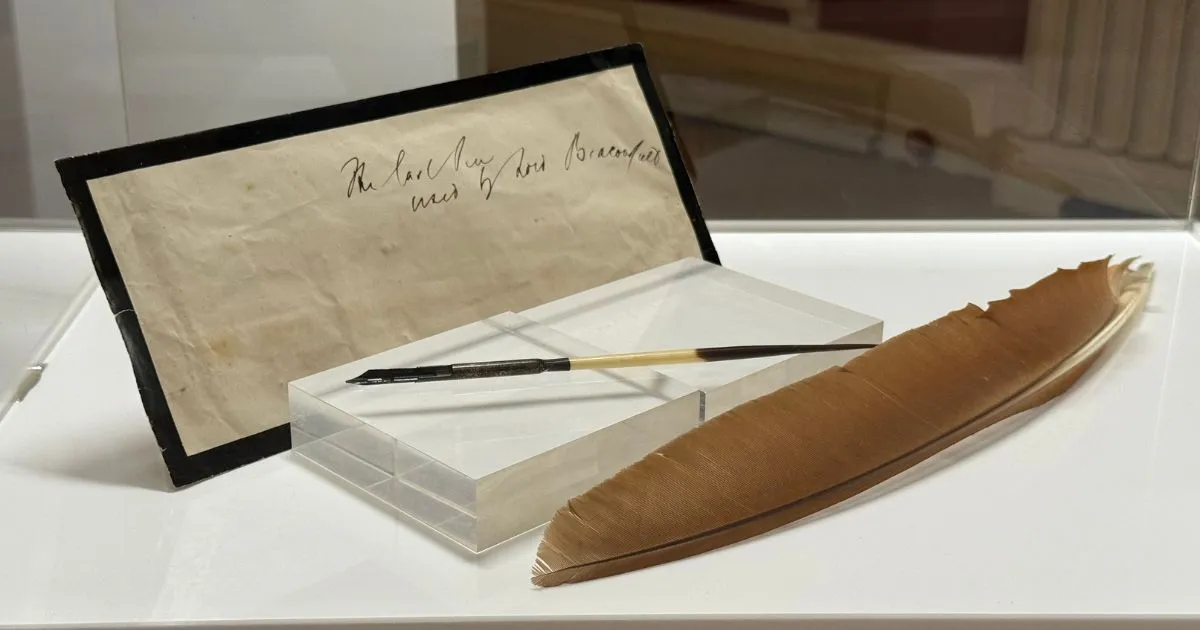
For me, the most poignant item was Disraeli’s last pen and ink, on display for the first time. It’s a somber reminder of the man who not only shaped British politics but whose influence still echoes today.
The second section of the exhibition in the next room tells the lesser-known story of Hughenden’s role during World War II. The manor was requisitioned by the Air Ministry and codenamed “Hillside.” It became a top-secret base where experts created maps for the war effort. So secret, in fact, that the operation remained classified for decades, with its existence only revealed by chance some 60 years later.
The room is divided into sections, each dedicated to a different individual who worked at Hillside, offering a glimpse into their daily lives and work. Among the items on display are work diaries, recipe books, and — of course — some of the actual maps they made.
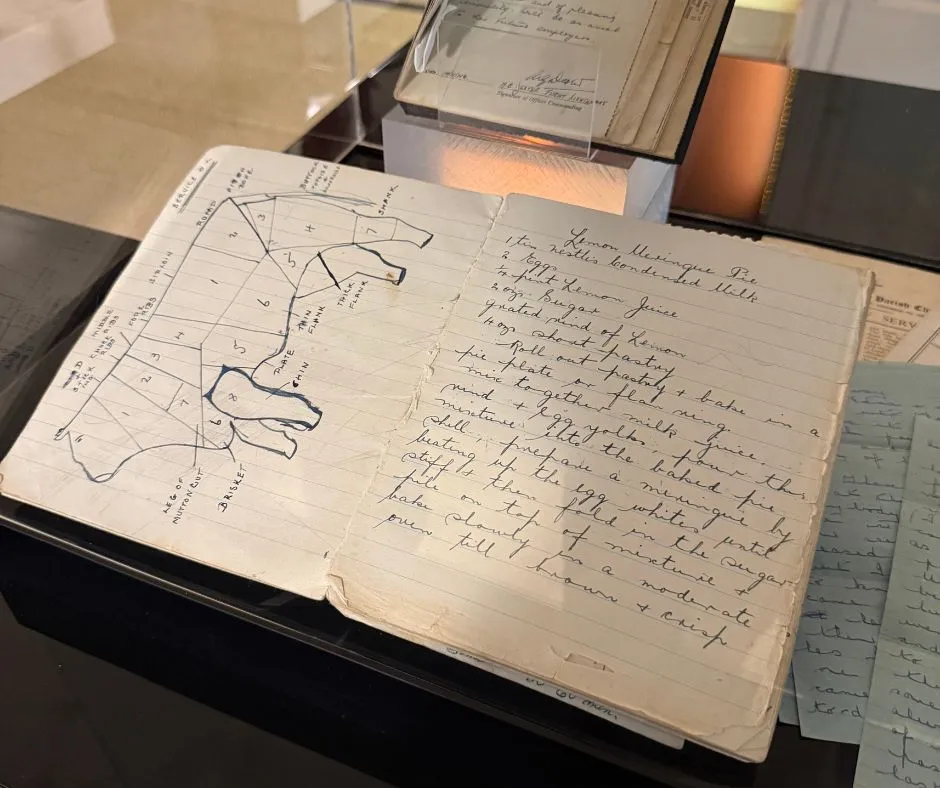
This part of the exhibition is a wonderful opportunity to connect with the human side of wartime Britain, showcasing the dedication of those who worked tirelessly behind the scenes. The stories of these people, their belongings, and the work they did in such secrecy really adds another layer to the already rich history of Hughenden Manor.
While the exhibition itself is relatively short — I spent around 15-20 minutes browsing — I found it fascinating. It added new dimensions to what I already knew about the manor and its history. Is it worth a special trip on its own? Probably not, unless you’re a history buff.
But if you’re already planning to visit Hughenden, this exhibition is definitely worth a detour. It’s a small, yet invaluable addition to the larger story of this historic house.
So, if you find yourself in the area and looking for a deeper dive into Hughenden’s past, Ink, Pens & Paintbrushes is a must-see. Whether you’re a fan of Disraeli, WWII history, or simply enjoy a good historical mystery, there’s something here for everyone.
📍Hughenden Manor
🗓️ Running through to 28th November 2025
🎟️ Free, although normal admission to Hughenden applies (free for National Trust members)
👉 Find out more here
This exhibition ran in 2025. For more from that season, see our National Trust summer days out roundup for 2025. For local history beyond the estate, try our guide to historic sights in Wycombe town centre.
Enjoyed this article? Share it!