
Scrolling through social media in August can feel like being hit by an avalanche of blissful beaches, pools, and airport check-in posts. For many families, summer is a balancing act of meeting different needs, interests and abilities, all alongside continuing to work.
So as August ends and another summer of compromise is drawing in, an unwelcome wave of ‘end of summer parent guilt’ is right there to greet us. YAY.
It's easy to look at those heavily filtered snapshots and feel like you’ve somehow fallen short as a parent because you spent August juggling work routines and stay-at-home days rather than jetting off. But before you let that guilt take root, let’s look at the financial reality behind the illusion.
Parenting hasn't just changed culturally, it's changed economically.
In the early 2000s, a one-week family holiday during the August break cost roughly 6% to 7% of an average UK family's annual income. Today, that exact same trip consumes nearly 11% of an average family's annual pay, requiring more than a full month's combined earnings. Furthermore, consumer spending studies show that over a third of UK parents who travel in August do so on credit cards or loans, taking up to two years to pay off a single week away. What looks like effortless leisure on social media is frequently debt, financial strain, or a top 10% income.
Throughout history, family expectations have shifted wildly. Pre-20th century parenting advice told us not to over-entertain children during summer, emphasising routine, independent play, and a stay-at-home parent.
While there's something to be said for allowing children to be bored, and keeping a bit of routine, having a stay-at-home parent looks very different now or for plenty of households just isn't an option.
Today we face the opposite extreme: a hyper-connected expectation of "intensive parenting," where every summer week is expected to be a curated "enrichment experience." While also holding down a career, of course.
But infant and child development research consistently reminds us: young children do not measure love in air miles or resort passes. What builds secure attachment and emotional safety in young children is consistent, calm, responsive care, the feeling of being seen, safe, and supported.
And, realistically, we all know that behind those photos are endless moments of wondering, “Why did I bother?” The person taking the picture who lost their cool ninety seconds earlier debating whether a banana had been opened correctly, while the children reacted to the sun cream as if it was made of acid.
Try these three grounded activities at home to reset your summer perspective:
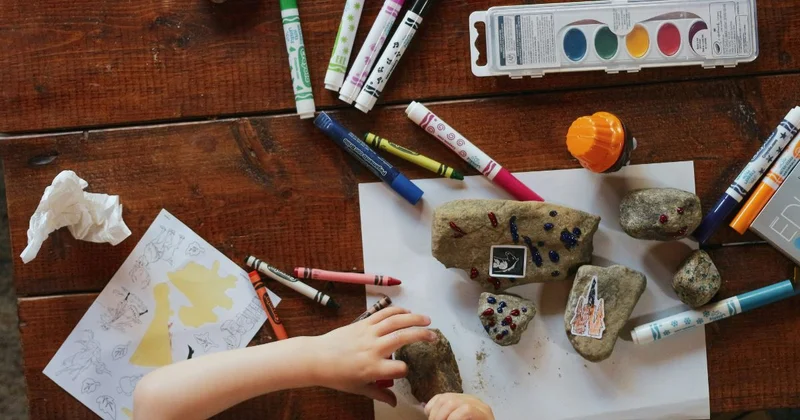
The "Micro-Adventure" Audit: Ask your child what their favourite summer memory was — almost certainly it wasn't a cost-heavy day-out, but a splash in The Rye waterfall, eating an ice cream from Lidl, or spending the day together building a pillow fort in the lounge.
Social Media Feed Detox: Unfollow or mute accounts that trigger comparison or financial inadequacy. Replace them with local community networks like Kindness in Bucks, subscribing to Wycombe Pulse, being around nature with Chiltern Rangers, or joining groups that celebrate realistic parenting such as our No Perfect Parent Company Facebook group.
The Stability List: Write down three ways you provided safety, warmth, and connection for your child this month while managing your work commitments. These small things really count.
Reflect on your wins. That's what makes you the expert on your child.
More from Jodie: the parental time out, and learning to be kinder to ourselves as parents.
Enjoyed this article? Share it!