I receive emails every week with a version of the same question: should I move to Wycombe?
“I’ve seen a house on Rightmove that costs less than my flat in Zone 4. How cheap is it really?”
“What’s the best area in High Wycombe?”
“What’s the Wycombe to London commute like?”
I get it. Like many people here, I’m a transplant who chose Wycombe because it has some real appeal:
Well priced considering the surrounding towns
Just 25 minutes into London
A big enough town with plenty going on (just sign up for the Wycombe Pulse newsletter if you’re wondering…)
Good schools
Of course, the reality is a bit more complex. There are a number of pros and cons to weigh up and the answer to the question, “is High Wycombe a good place to live” really comes down to the old adage of “it depends”.
I’m not going to pretend Wycombe’s perfect. It isn’t – and anyone who tells you otherwise is probably trying to sell you something (cough estate agents cough). But I’ve lived and worked in this town for a few years now and I can tell you that the version of the town that exists in many people’s heads – that one built from a motorway junction and a few grim headlines – bears almost no relation to the place we actually live in.
Let’s get into it: here’s everything you need to know about moving to Wycombe.
Wycombe in numbers
Average house price: around £420,000
Train to London Marylebone: 25-35 minutes depending on service
Distance to Heathrow: about 30 minutes by car
Motorway: M40 junctions 3 and 4, both on the doorstep
Council: Buckinghamshire Council, a unitary authority based in Aylesbury
Football: Wycombe Wanderers, League One, playing at Adams Park
The short version
High Wycombe sits in a valley in the Chiltern Hills, about 30 miles north-west of London. It's a proper market town with a charter going back centuries, it made most of Britain's chairs for about 150 years, and it now does the tricky job of being three things at once: a commuter town, a working town, and the town where the Chilterns start.
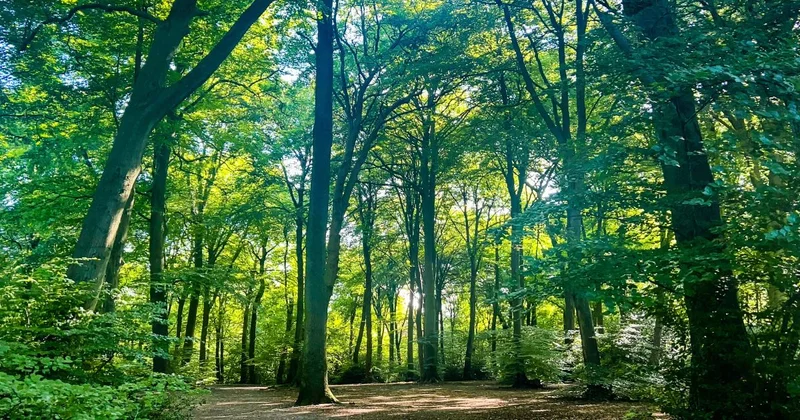
That last bit is the part people miss. Wycombe isn't near the Chilterns. Wycombe is in the Chilterns. You can walk out of the town centre, up a hill, and be in beech woods in twenty minutes.
It's also one of the more diverse towns in the South East, which shapes everything from the food to the high street to the sound of the place. More on that shortly, because it's genuinely one of the best things about living here.
And it's cheaper than almost everywhere around it. Marlow, Beaconsfield and Amersham are all lovely, and all cost significantly more for the same square footage. Wycombe is the affordable front door to the Chilterns.
The pros
The Rye
I’ll start here because it’s my favourite part about living in Wycombe.
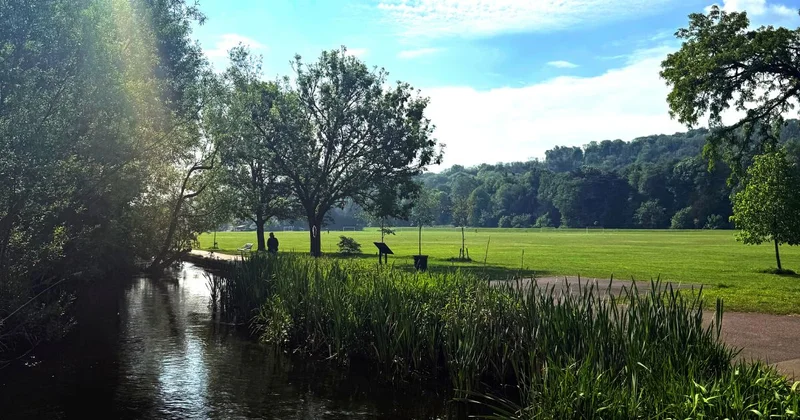
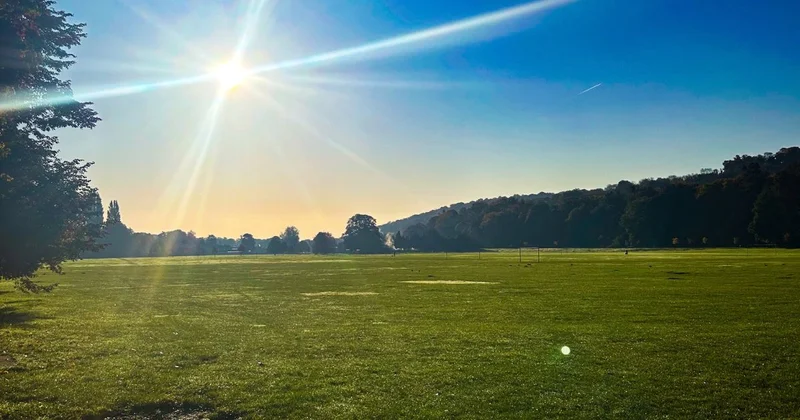
A 53-acre Green Flag award winning park complete with two children’s playgrounds, an all-year heated lido, tennis courts, two waterways complete with rowing boats and ducks aplenty, two cafes, an ice cream truck and large swathes of open green space. It’s hugely loved and we’re so lucky to have it so close to the centre of town.
The countryside starts at the end of your road
Beyond the Rye, this is where High Wycombe manages to outperform almost every town at its price point.
Kings Wood and Deangarden Wood. Downley Common. Hughenden Valley. West Wycombe Hill with the golden ball on top of the church. Two National Trust properties — Hughenden Manor, once Disraeli's home, and West Wycombe Park with the Hellfire Caves underneath it — both effectively inside the town.
You don't need a car to reach any of it; you’re already here.
It’s perfectly positioned
Junctions 3 and 4 of the M40 sit on either side of town, which puts Oxford, Birmingham, the M25 and everything beyond it within easy reach. Heathrow is about half an hour away – you’ll never fly from Gatwick again.
Regular fast trains get you into London Marylebone in less than half an hour. That’s faster than my commute when I lived in actual London!
And nearby are some real jewels: Marlow, Cookham, Amersham, Beaconsfield, Windsor – all in spitting distance.
It’s not a dormitory
Sure, you could describe High Wycombe as a commuter town, but it doesn’t empty out at 8am. It’s a working town with numerous employers, students from far and wide attending the university, locals who’ve lived here forever, and its own quirks. It has a life of its own in a way that some of the more affluent Chilterns towns really don’t.
Affordability
Let’s be real: a lot of what attracts newcomers here is the house prices. Sure, you still have the tax of house-buying in the South East, but in comparison to many of the neighbouring towns and villages, High Wycombe offers real value. Don’t get me wrong; there’s a steady stock of £1m+ homes here – but you’re getting a lot more house for that £1m than you are in the next town over.
The schools
This has a section of its own further down, because it's probably the single biggest reason families move to Buckinghamshire. But the headline is: Bucks still has a full grammar school system, and Wycombe is home to three of them — the Royal Grammar School, Wycombe High School and John Hampden Grammar School — plus more within reach in Beaconsfield and Marlow.
There's also a serious independent sector. Wycombe Abbey is one of the most academically successful girls' schools in the country and it's right there in the middle of town, along with prep schools including Godstowe and Crown House on the edge of the centre, and Pipers Corner nearby.
It’s genuinely diverse
Wycombe is a town that people have moved to for a very long time, and it shows. There are big, established communities here with roots going back generations, and the effect on daily life is clear.
It's in the food. It's in the selection of shops, where you can get ingredients you'd otherwise be ordering online. It's in the schools, where kids grow up alongside people from everywhere, which is a real advantage compared to only living alongside people who look and think like you (cue: Pocahontas soundtrack).
These communities usually rub along well together and at its best, Wycombe is a true melting point of different cultures. It’s not perfect and I’ll come back to that in the cons. But if you're moving out of a diverse city and worried about landing somewhere beige, Wycombe is about as far from that as the Home Counties get.
The creative community
Alongside its diversity (and thanks, at least in part, due to it) is the sheer creativity that emanates from High Wycombe. Artists from all different cultures and backgrounds make their art here; many of them displaying in the brilliant We Make Wycombe hub in the centre of town. And check out some of the street art and murals brightening the town, courtesy of local artists like Decreate.
Wycombe is also something of a hub for the UK film industry, being as we’re so close to so many of the big studios (as well as Marlow Studios opening down the road), and many industry operatives make this town their home.
Things to do
This is where I’m going to plug my weekly email newsletter, Wycombe Pulse, which lands in your inbox every Thursday, full to the brim with events happening the following week. Suffice to say – it’s a struggle to limit it to a 2k word email. There’s a lot going on – music, theatre, foodie events, markets, kids’ activities, wellness moments… the list goes on.
But even aside from just events, Wycombe is very well served for sport and other hobbies. Football, rugby, cricket, netball, swimming, hockey, padel, badminton, bowls, tennis, a very well attended Parkrun… this is absolutely not an exhaustive list. Then there’s multiple am dram groups, book clubs, a gliding club, cinemas, a theatre, a museum… again, I could go on.
Different faiths are also well served — there are numerous churches and mosques across the town, as well as numerous other religious communities.
The local heritage
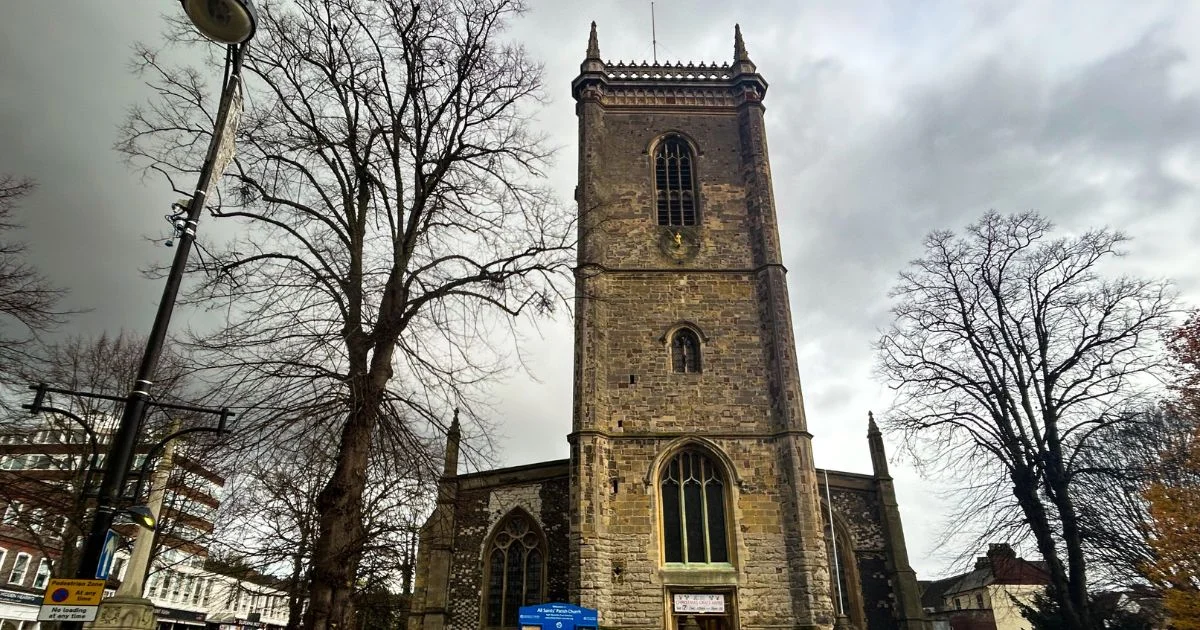
This is a town with a long and storied history – dating all the way back to a Roman Villa on the Rye from AD150 as well as mention as a significant settlement in the Domesday Book. The site of All Saints Church dates back to 1087 and there’s a building on the High Street that’s been dated to 1399 and serves as Wycombe’s oldest secular building. We’ve even got a scheduled ancient monument in the town.
What the town is undoubtedly most famous for is chairs. From the 1860s, factories like Goodearl, Gomme and Glenister turned beech off the surrounding hills into Windsor chairs for the whole country, and later into Ercol, Parker Knoll and G-Plan. You can still see it in the street names, in Wycombe Museum’s extensive chair collection, and even in Wycombe Wanderers being called the Chairboys.
Some of Wycombe’s quirky history lives on today in traditions like Beating the Bounds (bumping kids upside down against the boundary stones of the town… yes, really) and the famous Mayor Making Ceremony where every year the Mayor and other civic dignitaries are publicly weighed on scales in front of a crowd. If you’ve gained weight over the year, the crowd jeers that you’ve been living well at the taxpayers’ expense – better hope for “and no more!”
Worth a read if you get the bug: the High Wycombe Society's short history of the town.
The villages come with the postcode
A lot of people who say they live in Wycombe actually live in Hazlemere, Downley, Tylers Green, Penn, Flackwell Heath, Lane End, Naphill or Hughenden Valley. Village life, five minutes from a supermarket and fifteen from a fast train.
Worth knowing before you assume your budget only buys you a terrace in town.
The Cons
We have an image problem
If you research High Wycombe by joining the local Facebook groups or reading the local paper, you might conclude that the town is a lawless hellscape and you should move to literally anywhere else.
Here's what's actually going on. Local social media is where people go to complain, and a small number of incidents get shared, reshared and discussed for weeks until they feel like a permanent state of affairs. This isn’t helped by the town’s paper of record which appears to thrive on a clickbait formula of crime, one-star hygiene ratings and questions designed to generate controversy.
Of course, I’m not saying that Wycombe has no problems. It's a town of tens of thousands of people, has pockets of real poverty, and is facing the same issues as the rest of the UK. But the gap between the Facebook version of Wycombe and the walking-around-town version is enormous, and if you're making a decision about where to live, please do go and actually walk around town.
Do it on a weekday morning and a Saturday afternoon. Trust your own eyes over the comments section.
The town centre layout
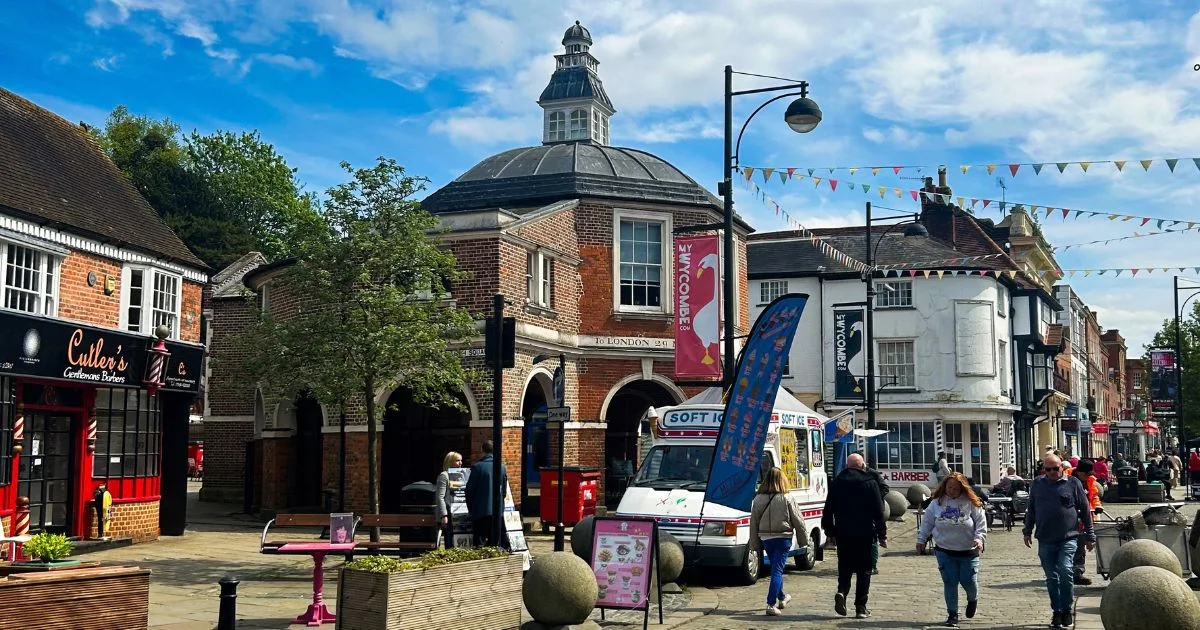
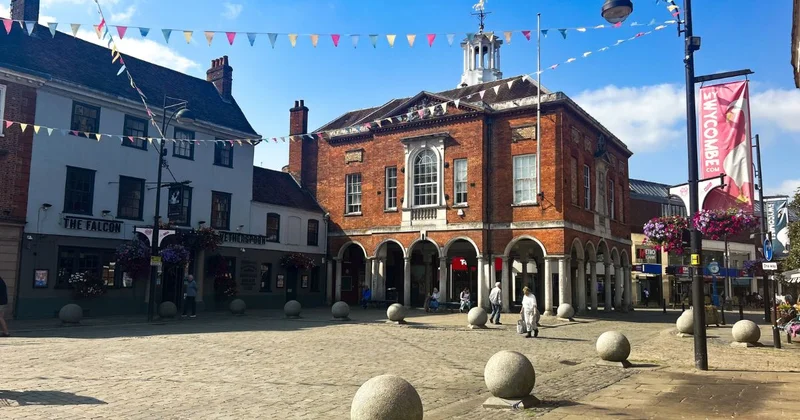
Parts of High Wycombe’s centre are fantastic – Eden shopping centre has a slew of shops, entertainment spots, restaurants and cafés with lots of big brand names and events. Full disclosure: they do sponsor the Wycombe Pulse newsletter but I promise you they’re not paying me to say this! Similarly, the historic heart of the town is really quite unique: the Guildhall, the Pepperpot, B’Hive in the former Wheatsheaf building that was dated to 1399, All Saints Church, Mad Squirrel, Merletto Lounge, even the Wetherspoons, all come together to make a beautiful little historic quarter. And then down the High Street, Easton Street and up Crendon Street, you’ve got a few lovely independent spots – including some cracking restaurants.
The issue is that these spots don’t really fit together and actually feel quite disparate, and in between them are quite a lot of convenience stores, vape shops, charity shops, and Turkish barbers. Nothing inherently wrong with these places, but they’re not doing much for the character or the cohesion of our town.
The good news is that there’s money and intent going into the town centre — regeneration work has been rumbling on for years and there are live plans for the eastern side of town. Whether it delivers is a fair question and one I’ll keep asking.
Then there’s Frogmoor. A stretch of road just off the High Street that really did once used to be the beating heart of the town with a huge fountain, cinemas, an ice rink, and plenty of shops. Now it’s full of boarded up shops, fried chicken outlets and specialist mini marts, not to mention an anti-social behaviour problem.
There’s hope though: developer Dandara has bought the now-empty Chiltern Centre that runs down the side of Frogmoor and will be using it to create a huge new housing development, hopefully redeveloping Frogmoor along the way. Stay tuned…
The South East tax
You will pay more here than you would in most of the country. Houses, rent, childcare, council tax, the lot.
The honest framing is that Wycombe is cheap for this bit of the South East and expensive by any national standard. If you're moving from London it'll feel like a bargain. If you're moving from the Midlands or the North, brace yourself.
There's no full A&E in town
Wycombe Hospital’s urgent treatment centre handles a lot — but for a major emergency, you're going to Stoke Mandeville in Aylesbury, which is a good 30 minutes up the road on a clear run. Back in the days when Wycombe had a birth centre and I was pregnant with my first child, my mum (a former midwife) convinced me to choose Stoke Mandeville to give birth in despite being a low-risk pregnancy. In her words, “30 minutes is a long time if you’re bleeding out”. I grudgingly took her advice. It was a good job actually as I did indeed bleed out. (Don’t worry; replenished and still here).
The train is brilliant but expensive, and it only goes to Marylebone
Chiltern Railways is pretty good as it goes. The trains are frequent and the fast ones are genuinely fast.
But season tickets are eye-watering, and Marylebone — lovely as it is — is not the best-connected terminus in London. It’s no Paddington. There's no Elizabeth line from here without driving to Taplow or Maidenhead first.
Some people drive to Amersham or West Ruislip to pick up the tube as it’s more wallet friendly but then you obviously lose the convenience factor.
The 11+ culture
I've put the grammar schools in the pros because they're a genuine draw. But there is another side to this and it starts before you’ve even started thinking about secondary schools.
Buckinghamshire's Secondary Transfer Test is sat at the beginning of Year 6, and a significant tutoring industry has grown up around it. Some children start prepping years out. We’re talking Year 4; in some cases, even earlier. Most children don't pass — that's arithmetic, not pessimism.
If you move here for the grammars, you need a clear-eyed plan for what happens if your child doesn't get one, and you need to be honest with yourself about how much pressure you're comfortable putting on a ten-year-old (or younger).
There is a mitigation: many of the non-selective schools here are not the afterthought people assume, and plenty of families are extremely happy with them. Go and visit them properly rather than treating them as a fallback.
Decisions are made in Aylesbury
Buckinghamshire Council is a single unitary authority covering the whole county, and it's headquartered in Aylesbury.
Wycombe is the biggest town in Buckinghamshire and it doesn't have its own town or borough council in the way a town this size normally would.
What it has instead: a mayoralty and charter trustees, who matter for civic tradition; a Town Committee of 16 councillors with a budget for allotments, cemeteries, footway lighting, local events and community grants; and a Community Board, part of a county-wide network whose funding has been cut by around 80% since 2020. All useful but none of them are making a decision on your planning application.
Wycombe was actually asked about whether we wanted a town council in 2024. Sixty per cent of the people who responded to the consultation backed setting up a town council — but only 4.6% of residents responded at all, and councillors voted it down on the grounds that too few people had actively said they'd pay for it. So the practical effect stands: the big decisions about Wycombe get taken 20 miles up the road, by a body where Wycombe is just one voice among many.
Nightlife is thin
I’m as guilty of this as anyone; for a big night out, I’m probably heading into Marlow or hopping on the train to London. That’s not to say there’s nothing to do in Wycombe; there’s actually a generous handful of good restaurants, pubs and live music venues and it does feel like the nighttime economy is starting to rev up compared to a few years ago. But you’re probably not moving here for the club scene.
The river you can't see
The River Wye runs through the middle of town and for long stretches you'd never know, because it was culverted and built over decades ago. It's a genuine loss — most towns with a river through the centre have made it the best thing about them. Imagine Marlow and Henley without the Thames!
There's a live conversation locally about opening parts of it back up, and I’d personally love to see it come to fruition.
The areas
Town centre
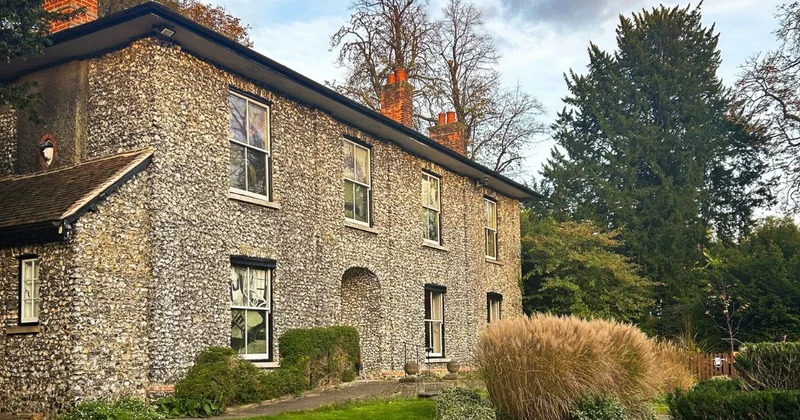
Flats and convenience are the name of the game here. Suits singles, couples and anyone who wants to walk to the train in five minutes. Quieter at night than you'd think. Lots of new development, including around Eden shopping centre.
Daws Hill
Elevated and leafy, close to a number of schools (including two grammars) as well as Waitrose, the M40 and the leisure centre. There’s a mix of new housing developments and older (much sought after) stock. Comparatively pricier.
Wycombe Marsh
The eastern edge, handy for the M40, the Rye and the retail parks, with some newer developments well designed for families. Good value relative to the hill areas.
Amersham Hill
One of the most in-demand spots in the town thanks to the handsome and spacious Victorian and Edwardian housing, and proximity to the train station and town centre. Look at the roads off the hill like Rectory Avenue and Lucas Road for some real gems. A healthy budget is more-or-less mandatory here.
Micklefield
An established and well-connected spot on the Eastern edge of the town; very densely populated with some rough edges.
Loudwater
Straddling the M40 between Wycombe and Wooburn so very handy for motorway access and nearby the large Kingsmead Park and Loudwater School. It’s got a village-esque feel and you get great views out across the Chilterns.
Castlefield and Oakridge
Large established neighbourhoods on the west of the town centre with a strong sense of community but very densely packed and with a degree of anti-social behaviour.
Totteridge and Terriers
Popular family territory up the eastern hill with a number of good schools, including the Royal Grammar Schools. Dense in some places but pockets of high value property. I lived here when I first moved to Wycombe and kept fit by walking up and down Totteridge Road every day!
Cressex
Home to a lot of Wycombe's employment as well as housing. Very handy for the motorway and a number of schools. Convenient rather than picturesque, and priced for it.
Booker
Just out past Cressex near the Air Park, with lots of good outdoor space – including the common. Practical and well-priced.
Desborough and Green Street
One of the more characterful neighbourhoods in High Wycombe, very close to the town centre and the heart of the town’s independent food scene with West African, Indian, Caribbean, Mediterranean and other cuisines. Can get noisy due to proximity to the centre.
Bowerden
Very central, going out from the town centre towards Totteridge, and with a lot of well priced stock. Close to everything and popular with first time buyers.
Abbey Barn
Out past Daws Hill towards Flackwell Heath. This is where a lot of Wycombe’s new housing stock has popped up recently and very popular with young families thanks to good schools and community. There is a sense of being a bit disjointed away from the rest of the town.
Just outside Wycombe
Hazlemere: feels very distinct from High Wycombe despite being just a short drive away. Village feel with a fair amount of amenities.
Downley: a much loved village on the edge of the woods with the common at its heart. Well priced.
Tylers Green and Penn: very pretty, pretty expensive. 10 minutes from Wycombe but a world away in feel. Home to a very good primary school and some lovely pubs.
Flackwell Heath: Elevated, self-contained and popular with families. Easy access to the M40 and Bourne End
Hughenden Valley, Naphill and Walters Ash: Rural Wycombe. Beautiful, quiet, good pubs – but you’ll want a car.
West Wycombe: a National Trust village on the edge of town. Very pretty and quaint.
Wooburn Green: about halfway between High Wycombe and Beaconsfield. Very pretty, with a village green at the heart.
Getting Around
Trains
High Wycombe station is on the Chiltern Main Line, with fast services to London Marylebone in roughly 25–35 minutes and trains north to Oxford and Birmingham. It's a well-run railway with a good service frequency, and the station has plenty of parking.
Check the season ticket price before you commit to anything. And check the walk to the station from your actual house, not from the town centre.
Buses and coaches
Local bus services connect the town and the surrounding villages, and there are bus and coach links to Heathrow. Services vary considerably by route, and if you're planning to be car-free outside the town centre you'll want to look at the specific timetable for your street rather than assuming.
Roads
M40 junctions 3 and 4, with the A404 running south to Marlow and the M4 and north to Amersham and the M25. The A40 runs through town.
Oxford is about 45 minutes. Central London is about an hour, traffic permitting, though you'd take the train. Heathrow is about half an hour.
Walking and cycling
Walking is a pleasure once you accept the hills. Cycling is a serious workout — the valley sides are steep and the main routes are busy. E-bikes make a lot of sense here and you'll notice quite a few of them.
Schools
Buckinghamshire is one of the few counties still running a full selective system, which is the probably the single biggest driver of families moving here.
How it works: children sit the Secondary Transfer Test in the September of Year 6. Registration opens the previous spring and the deadline can be earlier than new arrivals expect.
The grammars in and around town: the Royal Grammar School and John Hampden Grammar School (both boys), Wycombe High School (girls), with Beaconsfield High (girls) and Sir William Borlase's (co-ed) in Marlow within reach for some.
Independent: Wycombe Abbey sits in the middle of town and is one of the strongest academic girls' schools in the country. Crown House, Godstowe and Wycombe Prep are all within High Wycombe and Pipers Corner is in nearby Great Kingshill. There is also the Chalfonts Independent Grammar School (note: not a grammar school!) if you’re looking for an independent secondary.
The non-selective schools deserve a proper look rather than a glance. Go on an open evening with an open mind — a lot of families who arrived fixated on the grammars have ended up delighted.
Health and practical stuff
Hospitals: Wycombe Hospital is in the town centre, with major emergency care at Stoke Mandeville in Aylesbury.
GPs and dentists: register as early as you can. Ask in the local groups which practices are open to new patients — this is genuinely one of the things local Facebook is good for.
Your first month checklist:
Sort your bin days and find the recycling centre
Set up council tax with Buckinghamshire Council
Register with a GP and start the dentist hunt immediately
Check school application and 11+ registration deadlines — this one bites
Sort a parking permit if your street needs one
Get a library card!
Check your broadband options before you assume — coverage varies street to street
Things to do with the kids
The Rye, first and always — space to run and play, the Dyke, and the Lido.
Beyond that: Hughenden Manor and West Wycombe Park for a day out that doesn't feel like a chore, the leisure centre at Handy Cross, soft play and holiday clubs around town, the museum, and Adams Park on a Saturday if you're building a Chairboy. Check out this list I put together on the best things to do with kids in High Wycombe.
Wycombe punches above its weight for kids' activities, largely because it's got the space and the community groups to run them. The trick is knowing when things are on — which, conveniently, is the entire point of this newsletter.
Work and shopping
Working here: there's real employment in town — the business parks at Cressex and Globe Park in nearby Marlow, the hospital, the university, the council and a healthy independent sector. Plenty of people work here and never see a train. There's also Patch, the coworking space in town (come and say hello to me!) if you're remote and don't fancy holing up at the kitchen table.
Shopping: the Eden centre covers the big names, John Lewis is huge and much loved in Cressex, and the retail parks handle the bulky stuff.
Organisations to be aware of
A big part of feeling at home here is knowing who's doing what. These are the groups worth having on your radar.
Civic stuff
High Wycombe Town Committee – The closest thing Wycombe has to a town council. It's made up of the 16 Bucks councillors for the town's wards and has its own budget for allotments, cemeteries, footway lighting, local events and community grants. Its meetings are public, and it's worth keeping an eye on if you want to know where Wycombe's own money goes.
High Wycombe Community Board – One of Bucks Council's network of local boards. It brings councillors, residents and community groups together and hands out grants for local projects. Funding has been cut back hard in recent years, but if you've got a community idea that needs a bit of money behind it, start here.
HWBIDCo – The town's Business Improvement District, funded by town centre businesses. They're behind a lot of what happens in the centre: events, footfall campaigns and plenty of the behind-the-scenes work of keeping the high street going. If you're opening a business in town, you'll want to know them.
Heritage, environment and community
The High Wycombe Society – close to a civic society, a charity that's been keeping watch over Wycombe's buildings, green spaces and heritage for decades. They comment on planning applications, run talks and walks, and publish a newsletter for members. Full disclosure: I'm the Honorary Secretary, so I'm biased, but if you care about how the town looks and changes, join us.
Chiltern Rangers – A local social enterprise doing practical conservation work across Wycombe's woods, commons and chalk streams, including the Wye. They run regular volunteer sessions, and there's no better way to get to know the green bits of town.
Wycombe Environment Centre – A local charity set up in 2001 by Frances Alexander, a former Mayor of High Wycombe. These days it works on practical climate and environmental action in town, and it's the charity behind Refresh and the Repair Café.
Wycombe Rye parkrun – A free, timed 5k every Saturday at 9am on the Rye. It's friendly, well attended and you can walk it if you'd rather. It's one of the easiest ways to meet people when you're new.
Arts and creativity
We Make Wycombe – A creative programme with a hub on the Cornmarket in the town centre. It supports local artists and makers, and it runs regular Spotlight Weeks that hand the space over to a different creative project each time.
Wycombe Creatives – A grassroots collective set up in 2022 by photographer Mark Page and fashion designer Juliet Hamilton. They're behind a steady stream of exhibitions and events, including Wyrd Wycombe, a High Street parade where a knight battles the Wycombe Wyrm, a mythical water dragon. Yes, really.
Patch – The coworking space in the old library building. It's a good base if you work from home and are going stir crazy at the kitchen table, and it hosts a lot of community events too. I'm often there, so come and say hello.
Local media
Wycombe Sound – The town's award-winning community radio station on 106.6 FM, run largely by volunteers. Local presenters, local news and a good way to hear what Wycombe sounds like.
High Wycombe Life – A free glossy magazine that’s published three times a year. It's produced by volunteers under the editorship of Heather Morely and is full of positive local stories and community information. If it lands on your doormat or you see it around town, give it a read.
So, is High Wycombe right for you?
You'll probably love it if: you want the Chilterns without Chiltern prices, you want a fast train to London but a town with its own life, you've got kids and you want options, you enjoy living within a diverse and creative community, and you want somewhere big enough that you don’t need to slope off to the nearest towns and London every time you want to do something fun.
You might want to look elsewhere if: you want a chocolate-box Home Counties town with a pretty high street — try Marlow or Amersham and budget accordingly. If you need a full A&E within ten minutes. If nightlife matters more to you than woodland. Or if you're going to spend the next five years reading the local Facebook groups and believing all of it.
Wycombe is a real town. It has real problems and it has things going for it that many of its neighbours would kill for. It rewards people who engage with it and disappoints people who are ready to be disappointed.
I've been writing about this place for years and I'm not done finding things out about it. That's about the highest recommendation I can give.
Frequently asked questions
Is High Wycombe a nice place to live? Yes — with the caveat that it's a large, working town, not a picture-postcard one. If you want countryside, decent schools, good food and a fast train to London without Marlow money, it's very hard to beat. If you want pretty above everything else, look at the villages around it instead.
How long is the train from High Wycombe to London? Around 25–35 minutes to Marylebone on a fast service.
Is High Wycombe safe? It has the issues you'd expect of a town its size, and local social media makes them feel bigger than they are. Go and walk around at different times of day and judge for yourself — that's better evidence than any comment thread.
Do you have to pass the 11+ to go to school in Buckinghamshire? No. The grammar schools are selective, but there are many non-selective secondary schools across the town and plenty of families are very happy with them.
How much are houses in High Wycombe? Around £420,000 on average as of August 2026, with flats nearer £220,000 and detached homes around £759,000. Prices vary sharply between areas.
Is High Wycombe in the Chilterns? Yes — it sits in a valley within the Chiltern Hills, with countryside and National Trust land within walking distance of the centre.
Which council covers High Wycombe? Buckinghamshire Council, a unitary authority based in Aylesbury. High Wycombe doesn't have its own town council, though it does have a mayor and charter trustees.
Well done if you've made it to the end of this whopping treatise! Let me know if you think there's anything I've missed out.
Enjoyed this article? Share it!